


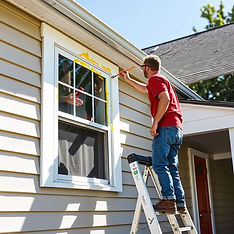
Deciding Between DIY Painting and Hiring a Pro: Pros and Cons of Painting

Painting your space can completely transform it. Whether it’s your home or business, a fresh coat of paint breathes new life into walls and sets the mood. But when it comes to painting, you face a big question: should you roll up your sleeves and do it yourself, or hire a professional? I’ve been through this decision myself, and I want to share what I’ve learned to help you make the best choice.
Weighing the Pros and Cons of Painting Yourself vs. Hiring a Pro
Let’s start by breaking down the pros and cons of painting on your own versus calling in a pro. This will give you a clear picture of what to expect from each option.
DIY Painting: The Upsides and Downsides
Pros:
Cost Savings: Doing it yourself can save you a lot of money on labor.
Flexibility: You can paint on your own schedule, no need to wait for someone else.
Satisfaction: There’s a real sense of accomplishment when you finish a project yourself.
Control: You pick every detail, from paint color to technique.
Cons:
Time-Consuming: Painting takes longer if you’re not experienced.
Skill Level: Mistakes happen, and fixing them can be frustrating.
Physical Effort: Painting walls, ceilings, and trim can be tiring and sometimes risky.
Equipment Costs: Brushes, rollers, drop cloths, and ladders add up.
Hiring a Pro: What You Gain and What to Watch For
Pros:
Expertise: Pros know how to prep surfaces, apply paint evenly, and handle tricky spots.
Speed: They finish the job faster, often in a day or two.
Quality: Expect a smooth, professional finish that lasts longer.
Less Stress: No need to worry about cleanup or buying the right tools.
Cons:
Higher Cost: Labor charges can be significant.
Scheduling: You have to work around the painter’s availability.
Less Control: You rely on someone else’s judgment and style.
Trust Factor: You need to find a reliable, skilled painter.

How much does a DIY paint job cost?
If you’re leaning toward doing it yourself, it’s smart to understand the costs involved. A DIY paint job isn’t free, even if you skip labor charges.
Materials You’ll Need
Paint: Depending on the quality and brand, expect to pay $20 to $60 per gallon.
Primer: Sometimes necessary, especially on new or patched walls.
Brushes and Rollers: Good quality tools make a difference; budget $15 to $50.
Drop Cloths and Tape: Protect floors and trim, around $10 to $30.
Other Supplies: Sandpaper, putty, paint trays, ladders, etc.
Typical Cost Breakdown
For an average room (about 12x12 feet), you might spend:
Paint and primer: $50 to $150
Supplies: $30 to $80
Total: $80 to $230
Compare that to professional painting, which can run $300 to $800 or more per room, depending on complexity and location.
Hidden Costs to Consider
Mistakes: Fixing drips, uneven coats, or missed spots can add time and materials.
Time: Your hours spent painting could be used elsewhere.
Cleanup: Properly disposing of paint and cleaning tools takes effort.
When DIY Painting Makes Sense
There are times when tackling the paint job yourself is the right call. Here’s when I think DIY shines:
Small Projects: Touch-ups, accent walls, or a single room.
Tight Budget: When saving money is a priority.
You Enjoy Hands-On Work: If you like home projects and have some experience.
Flexible Schedule: You can take your time without pressure.
If you’re confident with a brush and have patience, DIY can be rewarding. Just be honest about your skill level and the time you can commit.

When Hiring a Pro Is the Better Choice
Sometimes, hiring a pro is the smartest move. Here’s when I recommend it:
Large or Complex Jobs: Multiple rooms, high ceilings, or tricky surfaces.
Time Constraints: You need the job done quickly and efficiently.
High-Quality Finish: You want a flawless look that lasts.
Avoiding Stress: No mess, no hassle, and no guesswork.
Safety Concerns: Working on ladders or dealing with lead paint.
Professionals bring experience and tools that make a big difference. They also handle prep work like sanding, patching, and priming, which can be time-consuming but crucial for a great finish.
Making the Final Call: What Works Best for You?
Deciding between a DIY paint job and hiring a pro depends on your priorities. If you want to save money and enjoy the process, DIY might be your best bet. But if you want speed, quality, and peace of mind, a pro is worth the investment.
If you’re still unsure, check out this detailed comparison of diy paint job vs hiring a pro to get more insights.
Remember, painting is more than just slapping on color. It’s about preparation, technique, and finishing touches. Whether you pick up a brush or call in a pro, the goal is a beautiful, lasting result you’ll love.
Getting Ready for Your Painting Project
No matter which route you choose, preparation is key. Here are some tips to get started:
Clear the Area: Move furniture and cover floors.
Clean Walls: Dust and wash surfaces for better paint adhesion.
Fix Imperfections: Fill holes and sand rough spots.
Choose the Right Paint: Consider finish, color, and durability.
Plan Your Time: Set realistic goals and breaks.
Taking these steps will make your painting experience smoother and your results better.
Painting can be a fun and rewarding project or a job best left to the pros. By understanding the pros and cons of each option, you can make a confident choice that fits your needs and budget. Whether you decide to DIY or hire a professional, your space will thank you for the fresh new look.


Comments