


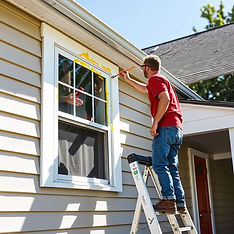
A long-lasting paint job

Why Some Paint Jobs Fail After Only a Few Years

A good paint job should do more than make your home look nice for a little while. It should protect your siding, trim, doors, and exterior surfaces from weather, moisture, sunlight, and everyday wear.
So when a paint job starts peeling, cracking, bubbling, or fading after only a few years, homeowners naturally wonder what went wrong.
Most of the time, early paint failure is not caused by the paint alone. It usually comes down to poor preparation, moisture issues, rushed work, or using the wrong products for the surface.
Paint Is Only as Good as the Prep Work

One of the biggest reasons paint jobs fail early is poor surface preparation.
Before paint ever touches the house, the surface needs to be properly cleaned, scraped, sanded, repaired, and primed. If dirt, mildew, chalky residue, loose paint, or old peeling layers are left behind, the new paint has nothing solid to bond to.
It may look good at first, but over time the paint begins to lift, bubble, or peel away.
A professional-quality paint job starts long before the final color goes on. The prep work is what gives the paint a strong foundation.
Moisture Can Ruin a Paint Job Fast
Moisture is one of paint’s biggest enemies.
If wood, siding, trim, or other surfaces have trapped moisture inside them, painting over that moisture can lead to bubbling, peeling, and even rot. Water pushes against the paint from underneath, causing it to separate from the surface.
This often happens around:
• Window trim
• Door frames
• Fascia boards
• Gutters
• Cracked caulking
• Unsealed gaps
• Areas with poor drainage
That’s why it’s important to inspect the home before painting. If moisture problems are ignored, the paint may fail no matter how good the product is.
Skipping Primer Can Cause Peeling and Uneven Coverage
Primer is not something that should be skipped when the surface needs it.
Bare wood, repaired areas, patched spots, stains, and certain older surfaces often need primer before paint is applied. Primer helps seal the surface and gives the paint something to grip.
Without primer, paint may soak in unevenly, flash in certain areas, or fail to bond properly. This can lead to peeling, blotchy color, and a shorter lifespan for the finished job.
Cheap Paint Usually Costs More Later
Not all paint is created equal.
Lower-quality paint may save money upfront, but it often breaks down faster in the sun, rain, humidity, and temperature changes. Exterior paint has to stand up to a lot, especially in Midwest weather.
A higher-quality paint usually offers better:
• Adhesion
• Color retention
• Weather resistance
• Coverage
• Durability
• Protection against cracking and peeling
Using the right product for the surface and environment makes a big difference in how long the paint job lasts.

Rushing the Job Leads to Problems
Painting is not just about getting color on the wall quickly.
Each step needs proper time. Surfaces need time to dry after washing. Caulk and primer need time to cure. Paint coats need the right amount of drying time before another coat is added.
When a job is rushed, problems can show up later.
Common issues from rushing include:
• Peeling
• Bubbling
• Uneven finish
• Poor coverage
• Soft or tacky paint
• Shorter paint lifespan
A lasting paint job requires patience, proper timing, and attention to detail.
Gaps, Cracks, and Bad Caulking Let Water In
Caulking is a small detail that makes a big difference.
When gaps around windows, doors, trim, and siding are not sealed correctly, water can get behind the paint. Once moisture gets underneath the surface, it can weaken the paint bond and cause damage over time.
Old, cracked, or missing caulk should be removed and replaced before painting. This helps protect the home and gives the paint job a cleaner, longer-lasting finish.
The Weather Matters Too


Comments